 12 Mar
New Government Measures on Violent Porn

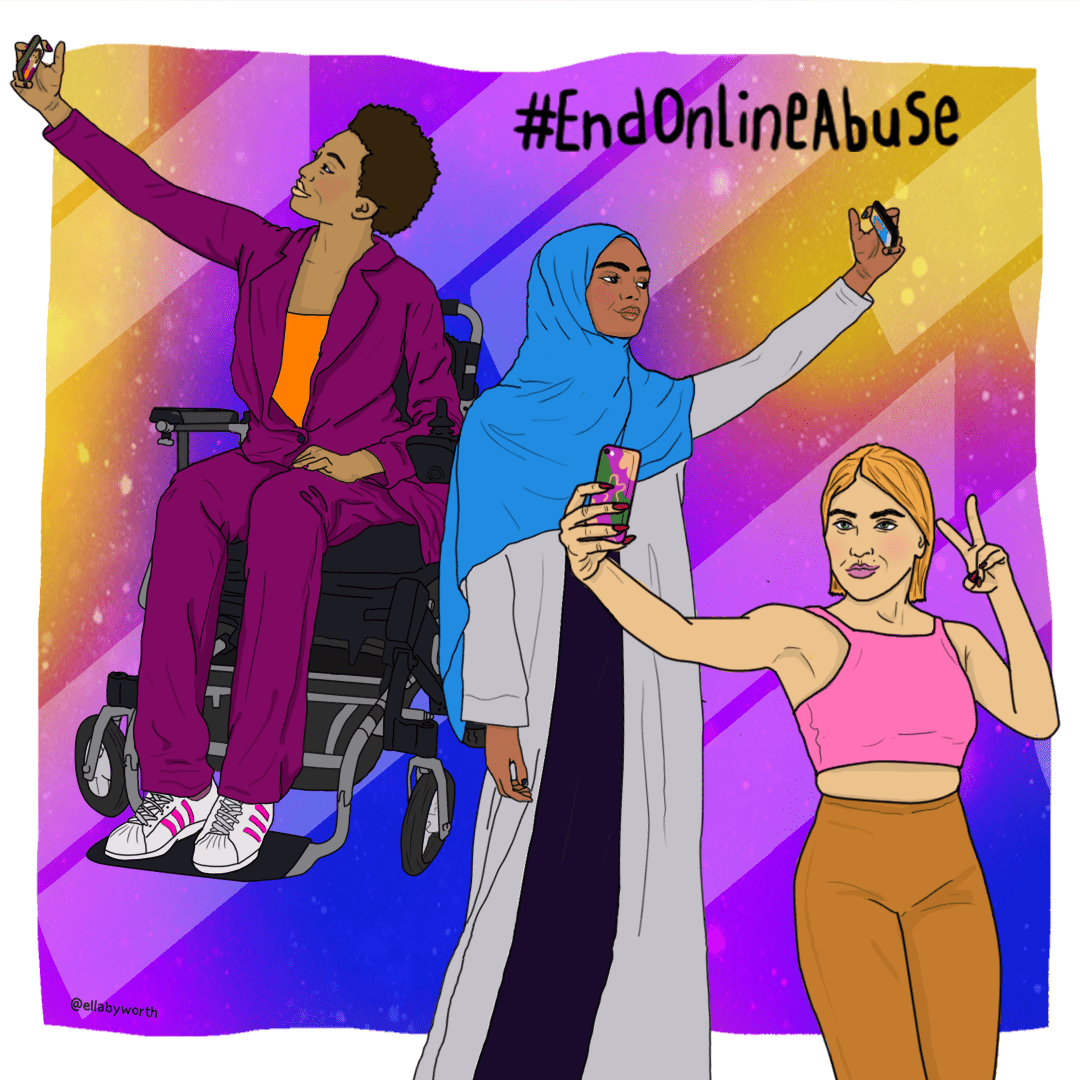
Technology Secretary Liz Kendall has today (29th September 2025) announced that the government will make cyberflashing a “priority offence” under Online Safety Act, in a welcome move to strengthen existing measures to protect women from online abuse.
Cyberflashing – non-consensual sharing of nude genitals – was made an offence in January 2024. Today’s announcement will put additional responsibilities on tech companies to proactively identify cyberflashing happening on their platforms. This means preventing it rather than reacting after it has already caused harm.
Young people are bearing the brunt of this form of sexual assault, with a recent YouGov poll finding that one in three teenage girls aged 12-18 had received unsolicited pictures of male genitals at least once, compared to one in 20 boys of the same age.
The Department for Science, Innovation and Technology states that some of the ways tech companies can tackle cyberflashing include using automated systems that pre-emptively detect and hide the image, implementing moderation tools or employing stricter content policies.
Under the laws, failing to proactively implement measures to protect users could lead to fines of up to 10% of the companies’ qualifying worldwide revenue and potentially blocking their services in the UK.
As we await publication of Ofcom’s new VAWG Guidance for tech platforms to make women and girls safer online, the End Violence Against Women Coalition calls for this voluntary guidance to be made a mandatory Code of Practice with penalties for non-compliance with preventing harms such as cyberflashing, image-based sexual abuse and other forms of violence against women and girls. Regulatory requirements must cover all online platforms, rather than those with the highest reach or highest risk of harm, so that all women and girls are protected.
“We welcome this move which will put requirements on certain tech companies to do more to identify cyberflashing occurring on their platforms. This must translate into tech companies taking stronger preventative action to stop it from happening, so that we can protect women and girls’ rights and freedoms online.
Cyberflashing has sadly become normalised, and we hope that making it a priority offence under the Online Safety Act will increase awareness and encourage action and meaningful consequences, so that it is no longer tolerated in society.
However, we know that education is also key to stopping cyberflashing and other online forms of male violence, not least because these harmful behaviours often take place on private messaging channels. We need a whole-society approach to preventing violence against women and girls, including public information campaigns and quality relationships and sex education that is relevant to young people’s lives in the digital age.”
12 Mar
 05 Mar
 18 Feb