Rape Justice Now
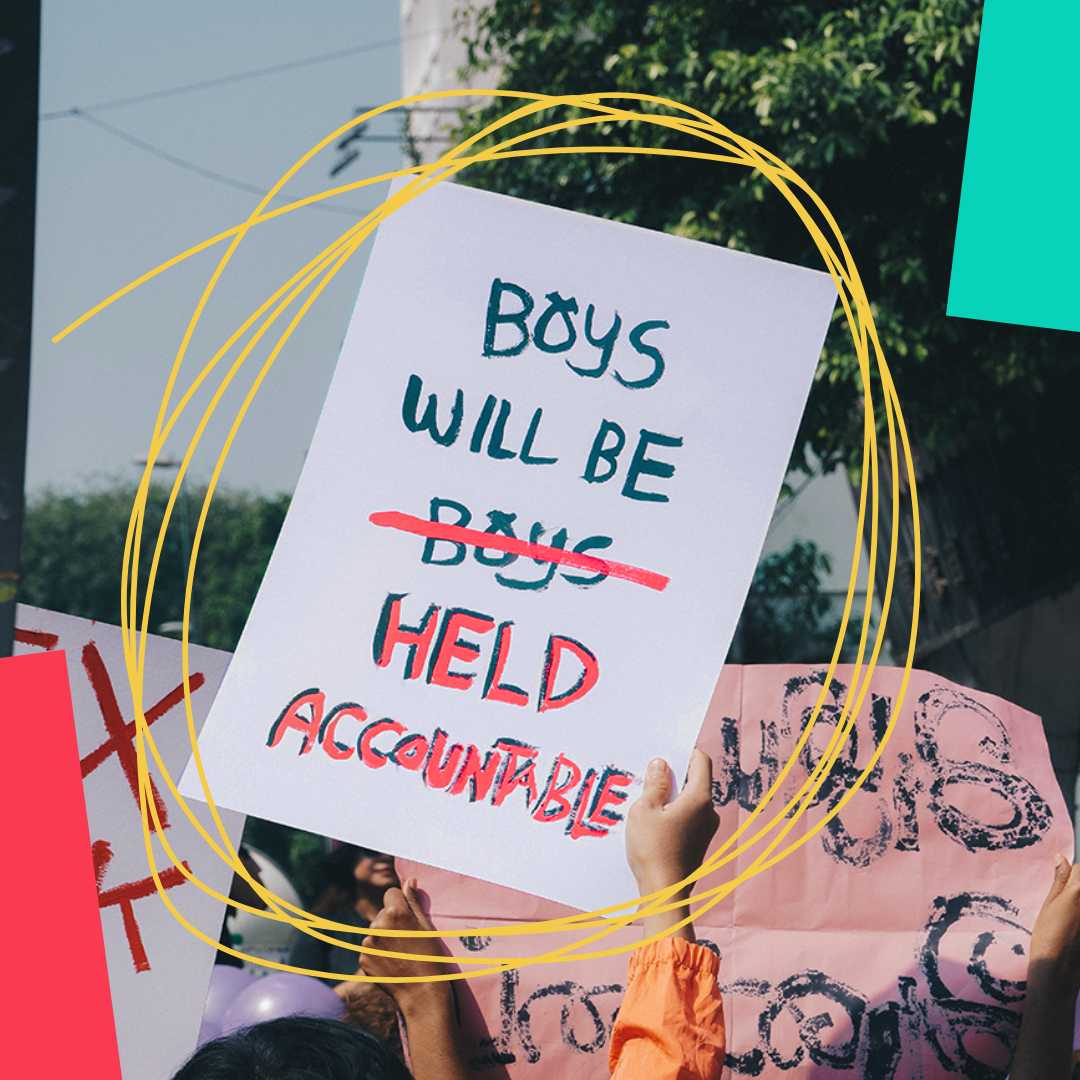
Women are being harmed and our fundamental rights denied as the police and courts are failing to deliver justice after sexual violence. We're campaign...
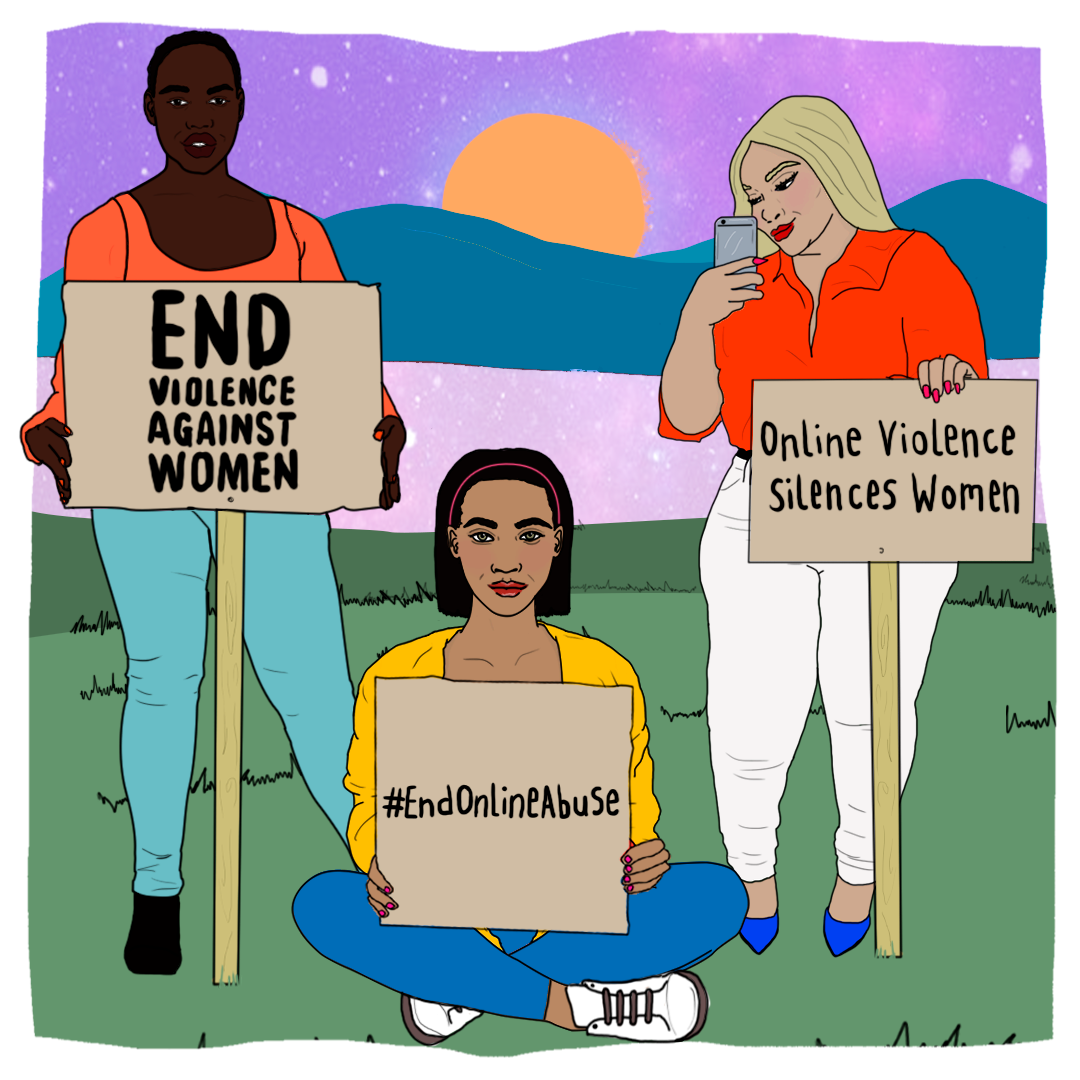
We’re campaigning for the reforms of laws relating to online abuse and robust regulation of the tech platforms perpetrators use, so those responsible are held accountable.
Online abuse includes cyberstalking, sexual harassment, grooming for exploitation or abuse, image-based sexual abuse (so called ‘revenge porn’, upskirting, sexually explicit deepfakes, sexual extortion and videos of sexual assaults and rapes), rape threats, doxxing of women’s personal information, tech abuse in intimate partnerships, and much more. This abuse can have a long-lasting, devastating impact on survivors.
We should all be able to socialise, work, learn, get involved in activism or join a community online, free from the threat of abuse. But women and girls’ rights and freedoms are being restricted online, as we self-censor, avoid certain platforms or come offline to avoid harm. And this issue is only worsening as our online world becomes ever more interwoven in our daily lives.
We won our campaign to include women and girls in the new online safety law – now we’re calling for the law to go further and #StopImageBasedAbuse by: